
innovative ingredientsreal results
NUTRITION21® IS A LEADING DEVELOPER AND SUPPLIER OFNOVEL AND PATENTED NUTRITIONAL INGREDIENTS THATIMPROVE HEALTH AND MAXIMIZE HUMAN PERFORMANCE.

Our diverse portfolio of scientifically substantiated ingredients turns our customers’ product ideas into reality. At Nutrition21, we provide solutions to some of the most successful health and wellness brands in the world.
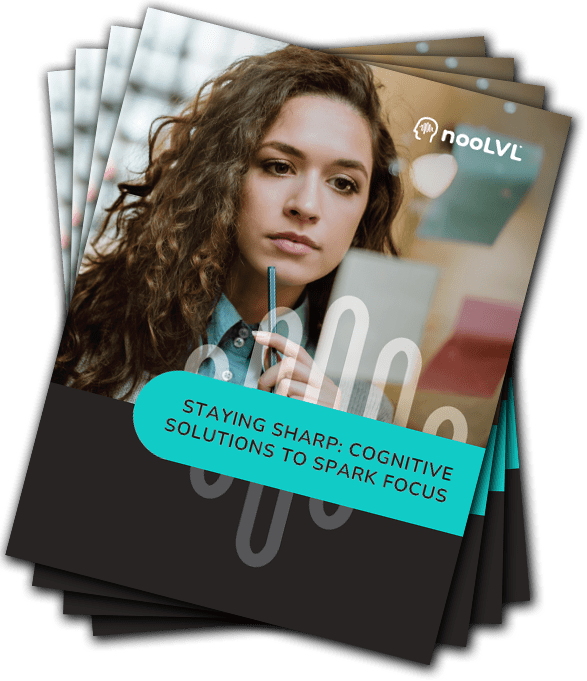
See Our Latest White Paper
Discover what’s driving growth in the rapidly expanding cognitive health market and learn more about nooLVL® - a science-backed nootropic delivering the cognitive benefits consumers want most.
See Our Latest White Paper
Discover what’s driving growth in the rapidly expanding cognitive health market and learn more about nooLVL® - a science-backed nootropic delivering the cognitive benefits consumers want most.
About
We know our customers trust us with their brand equity and reputation, and we are devoted to consistently delivering at the highest level. From science to sales, the Nutrition21 team of industry experts will work with you to move your product from ideation to successful launch. Our commitment to our customers is best seen in how we continue to innovate and invest in science to ensure the ingredients you carefully choose for your formulations remain the strongest in the industry.
Innovation
Nutrition21’s Research & Development Team has created an unparalleled scientific platform that represents the backbone of all of our branded ingredients. The success of this platform has created unique and patented products that are both safe and clinically substantiated.
Quality
At Nutrition21, product quality is paramount in our process, from product development to safety testing, to manufacturing and packaging. In fact, all of Nutrition21’s patented ingredients are fully traceable from raw material to finished product. No product is released without extensive testing for contamination, adulteration, safety, and potency, and all ingredients meet or exceed FDA cGMP requirements. At Nutrition21, quality is a top priority, and what makes us a superior partner.
By The Numbers
50
Over 50 patents and applications worldwide
80
Over 80 research studies support our ingredient portfolio
250
Nutrition21 ingredients can be found in over 250 brands
Our Partners
Our Partners

Nutrition21 Proudly Supports the Following Industry Associations
©2024 Nutrition21, LLC. All rights reserved.
Nitrosigine®, Velositol®, nooLVL®, Lustriva®, Chromax®, Zinmax®, and their associated logos are registered trademarks of Nutrition21, LLC. All third party trademarks are the property of their respective owners. Nutrition21, LLC's products are protected by a number of patents including, but not limited to: US Patent Nos. 6,809,115; 6,803,456; 7,576,132; 8,062,677; 8,933,022; 9,028,879; 9,119,835; 9,597,404; 9,675,702; 10,183,049; and 10,245,325.
1 Perceived energy measured by the validated Profile of Mood States (POMS) questionnaire.